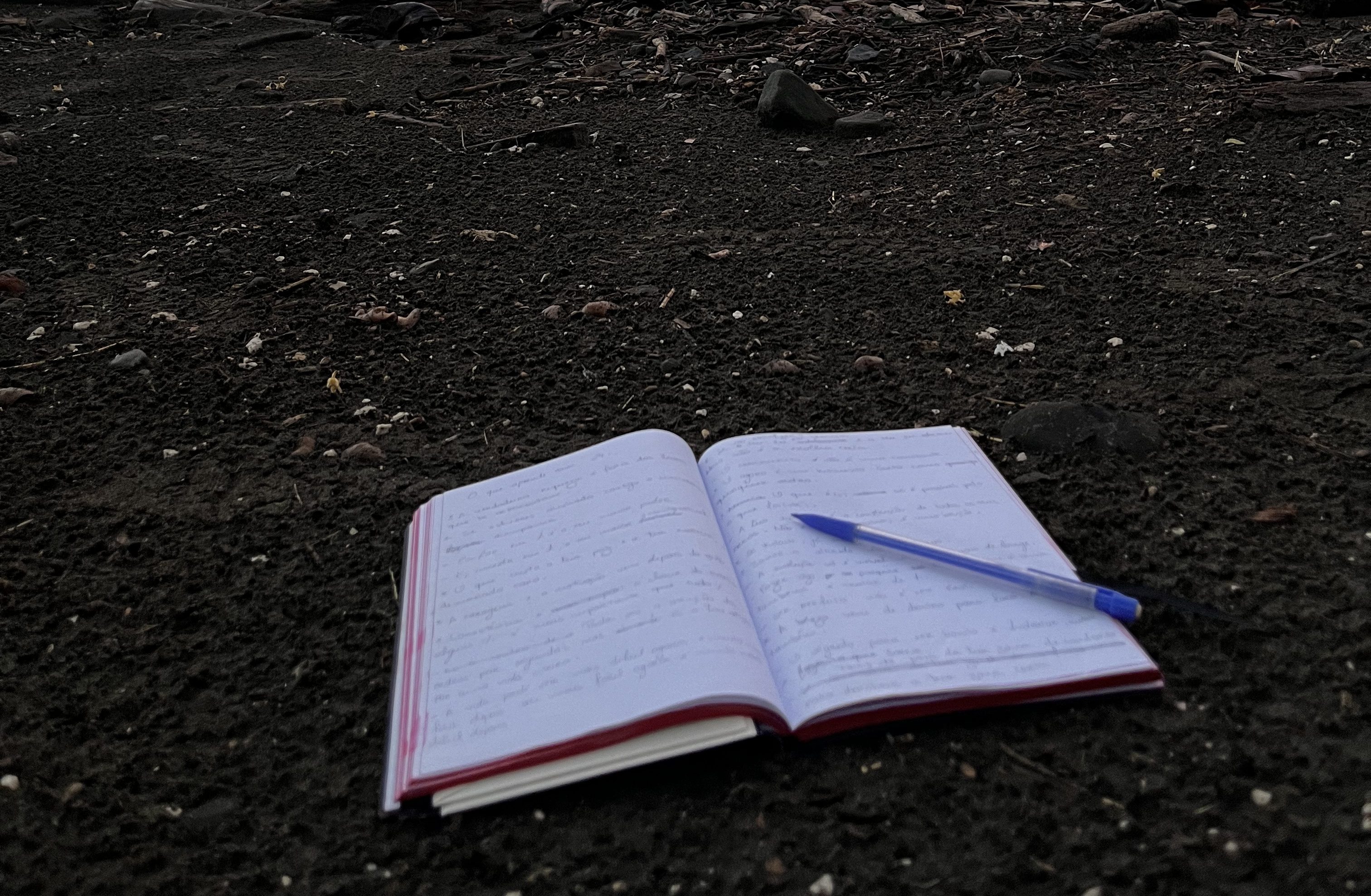
You never really commit to volunteer work with a light heart. I didn’t, at least. I chose it in a sad moment, looking for an escape, and it turned into one of the most memorable experiences of my life.
That’s the thing nobody tells you about volunteering in Tanzania: courage doesn’t come first. You don’t wait until you feel ready to step outside your comfort zone. You step out, and that’s when you learn who you are.
If you need a sign to go find that out for yourself — to travel somewhere unfamiliar and help someone else along the way — let this be it.
My weeks volunteering in Tanzania were a mix of almost everything: fear, mostly, and a strange, quiet pride. It was the first time I’d been so outside my comfort zone, for so long, so far from home, so alone. I understand now that those feelings were never a condition I had to wait out — they were simply the consequence of the choice I’d made. You don’t act because fear is gone. You act despite it still being there.
Choosing to Volunteer in Arusha
I went through VolunteerHQ, an organization that lets you choose both your destination and the type of work you want to do. Through them, I had support and security handled before I’d even landed — essential, since it was my first time doing anything like this.
Once you register, you can browse every available project — location, pricing, duration, and a full description of the work — and choose what actually resonates. For me, that was the Women’s Empowerment program in Arusha, Tanzania.
Applying is straightforward: you complete an application, then work through identity and security checks and the paperwork required for the program and your travel. A program manager stays in contact throughout, for every question, before you leave and once you’re there. I found the whole organization genuinely easy to work with and easy to trust, start to finish.
What It Costs to Feel Safe
Doing volunteer work through an established organization, somewhere you feel safe and supported, isn’t cheap — and it shouldn’t be. You’re paying for your comfort and your security, and you’re contributing to an organization that has to function like any business.
That said: if you were planning a solo trip of similar length regardless, you’d likely spend the same or more. So you may as well spend it doing some good along the way.
Flights are booked separately, though the organization will help you make sensible choices there too. Everything else — food, accommodation, transport, and on-the-ground support — is covered in what you pay them, scaled to your program, country, and duration. They also help with documentation and health requirements ahead of your flight, so there’s very little left for you to manage alone.
The House That Held Us
My house in Arusha was simple but genuinely comfortable — modest, as you’d expect, but very clean and well kept. We had large communal rooms built for exactly that: social nights with volunteers from the other house nearby, where I met some wonderful people.
Every meal was homemade, a rotating mix of cuisines from around the world, prepared with real care by the house crew — who also cleaned, kept the place safe, and helped with anything we needed, right down to driving us to our placements when it was needed.
Markets, shops, and restaurants were all close by. You still need transport to reach them, but you’re completely free to go out for an extra meal or pick up whatever you want beyond what the house provides.
The Volunteer House


Lifted Strong: The Classroom
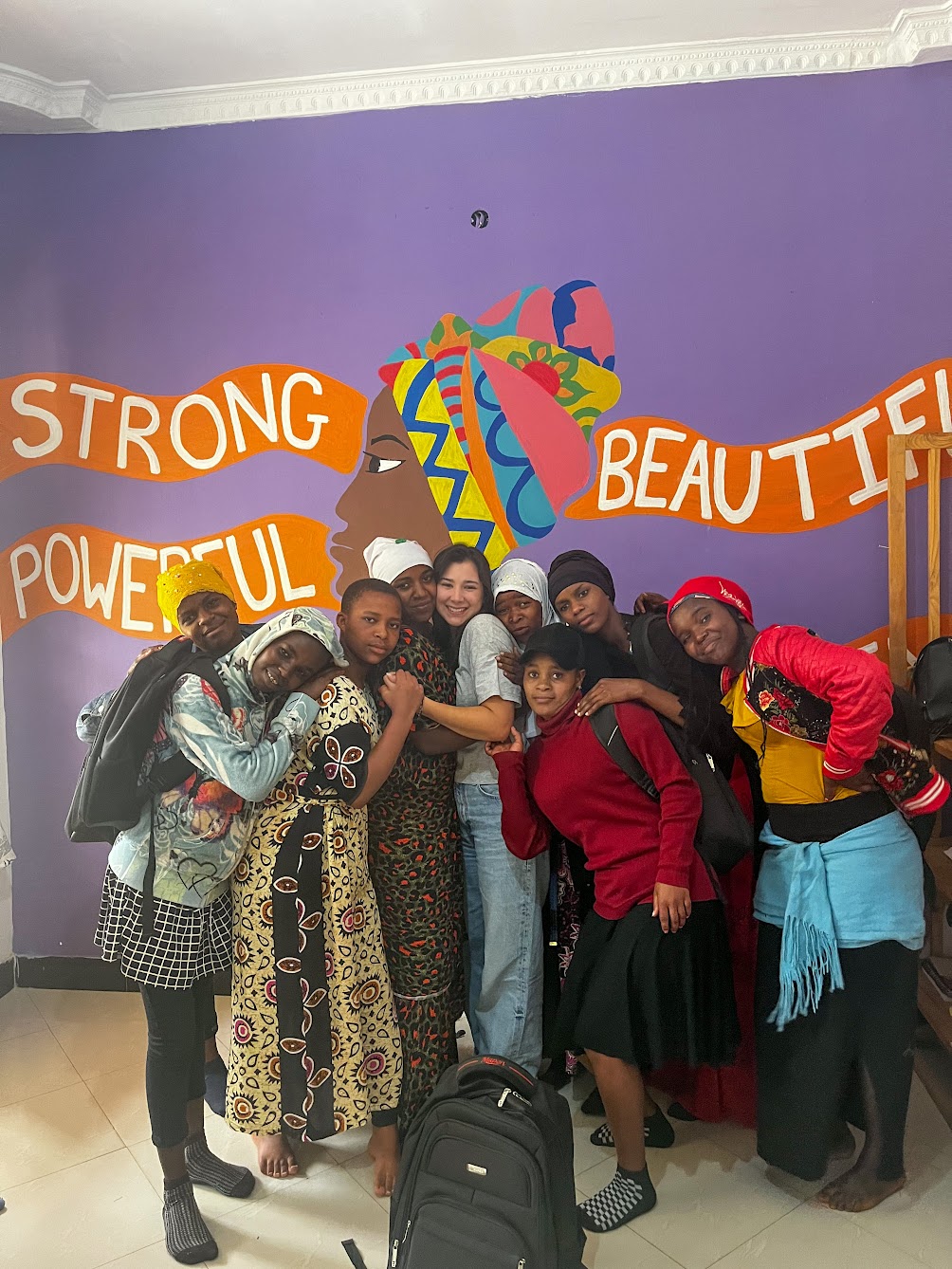
The Women’s Empowerment program turned out to be a masterclass for me in resilience, courage, and quiet bravery. At our school, Lifted Strong, the classroom is a safe space where women navigate difficult circumstances — and you leave having received far more than you gave.
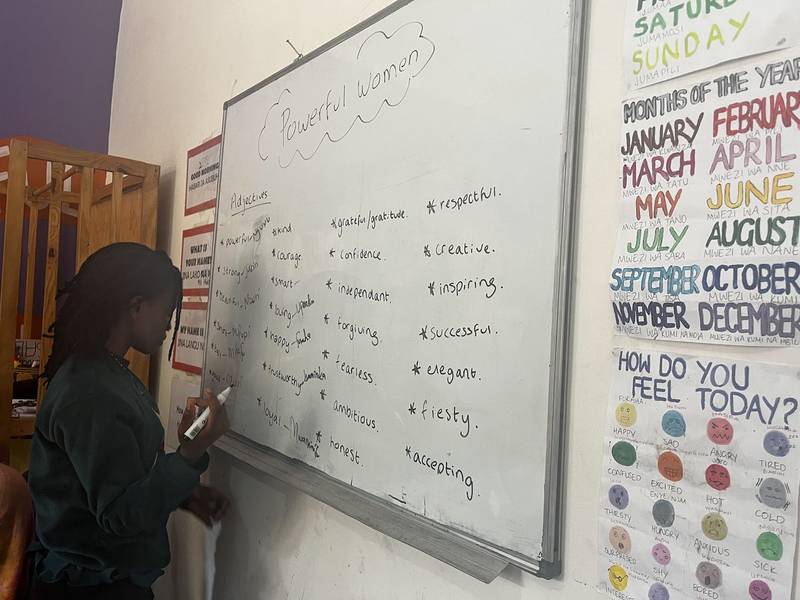
I’d just finished my degree in international business management, so I used my time to share some basic knowledge in health and business, hoping to hand over something, however small, that could help them find a bit more independence. Most of them, honestly, just wanted a safe place to be. They were grateful for anything shared with them.
We also went through English lessons and health classes — largely on women’s health and how to recognize and respond to health issues, with help from other nurse volunteers in my house. We swapped stories and opened the floor to any question they wanted to ask, on any topic — though they were, in particular, endlessly curious about nature and the universe.
A translator was always present to help us communicate, and I made a point of learning basic Swahili myself, which helped both in class and around Arusha generally.
You can follow and support Lifted Strong directly through their website — donations and involvement both go straight toward the school and the girls.
Beyond My Own Program
You’re not limited to your own placement. I helped my nurse colleagues with their health classes, and in return, they helped me with mine. Outside of that, I painted a local school and spent time at a nearby orphanage, bonding with children who left as much of an impression on me as anyone I met there.
Lifted Strong: The Classroom & Beyond




Arusha After Class
Volunteering doesn’t eat your whole day — mine took around three hours, and going every single day isn’t mandatory, since the organizers understand you’re also there to see the country. I’d still recommend showing up consistently; you owe that much to your program, the locals, and the people running it. But there’s real room to explore around it.
A few things worth knowing if you’re spending time in Arusha:
– Maasai Market is a must. It’s where Maasai artisans sell handmade crafts, and the quality genuinely impressed me. Everything is negotiable: five basic bracelets shouldn’t run you more than 10,000 TZS, and it’s worth comparing prices stall to stall before you buy.
– Learn the phrase “Hapana, asante” — “No, thank you.” Vendors can be persistent, and a polite, firm no goes a long way.
– The orphanage is worth visiting even beyond volunteering there. They welcome anyone who wants to spend time playing with the children, and they’ll arrange free pickup if you need it. It’s a moving place.
– Blue Heron was my favorite restaurant in Arusha — a wonderful atmosphere, though it’s best to call ahead for a table.
– Snake Park is a small zoo with an assortment of snakes and a few crocodiles, plus a museum and Maasai-run shops where you can learn about their traditions directly — and even ride a camel.
Five Days Wild: Safari in Ngorongoro and the Serengeti
The safari was, to this day, the most terrifying and beautiful thing I’ve ever experienced — an absolute bucket-list moment, and one that genuinely changed something in me. I did five days and four nights, and nothing prepared me for what it actually was.
You don’t sleep in a hotel, tucked safely away from the park. You live in it — tents, at night, in the open. If that level of adrenaline isn’t for you, there are more comfortable lodging options inside the park like this one. I went for the full, unfiltered version, and even terrified, I wouldn’t change a single night of it. It was the most honest way to live it.
We went looking for the Big Five — lion, leopard, elephant, cape buffalo, and rhino — and found them all, alongside everything else living in quiet coexistence around us. Sunrise and sunset over the plains felt like walking into a scene you’d only ever seen in a film. It’s the kind of grateful warmth you only get to feel a handful of times in a life.
Ngorongoro and the Serengeti are the two parks not to miss — I’d recommend more than two nights there, so you have real time in both. It’s unforgettable.
My guides, Victor and Johnson, made the entire experience — genuinely excellent professionals. I went through the volunteering program, so I can’t say whether they take private bookings directly.
– Victor: +255 784 581 054
– Johnson: +255 763 617 649
And don’t forget mosquito repellent.
Safari — Ngorongoro & Serengeti


Moshi, the Maasai, and Kilimanjaro
Moshi is Tanzania’s coffee capital, ringed by beautiful lakes — worth the visit on its own.
The Maasai tribe experience is something I’d recommend without hesitation, even though I don’t have detailed practical notes to share. There are several different village experiences across Tanzania, so it’s worth researching a few and picking whichever fits you best — this one is a good starting point. If you’d rather immerse yourself more deeply, VolunteerHQ also runs a Maasai immersion program.
I didn’t climb Kilimanjaro myself, but several of my fellow volunteers did and loved it. It’s mentally and physically demanding, so go prepared, with a proper guide and group. The mountain has several rest points along the way, and you don’t have to summit if you don’t want to — altitude and fatigue make the final stretch genuinely hard. Medical assistance is available throughout. Here’s an example tour if you want to see what a climb actually looks like.
Arusha, Moshi & the Maasai


Zanzibar: The Reward
Getting around Zanzibar means taxis or motorbike taxis (similar in spirit to tuk tuks) — I’m not a huge fan of the latter, but for short hops, they’re the cheapest option by far.
Stone Town, the historic center near the airport, is worth a visit — I didn’t spend much time there myself, but every friend who did came back raving about it.
For the beach, Nungwi is where most people end up, myself included. You can also find great tours near. I stayed at Makofi Hostel, right on the sand — welcoming, with a genuinely great atmosphere.
One last note: outside the main tourist areas, Zanzibar isn’t always safe. Stay alert once you’re off the beaten path.
Zanzibar


The Practical Bits: Airport, Money & Getting Around
Airport: Fly into Kilimanjaro International Airport (JRO), not Arusha Airport — the latter is little more than a roadside shack, and I didn’t feel especially safe there.
Money: Cash is king. ATMs are scarce, and even where card payments exist, they fail to go through roughly 70% of the time. Find a bank with a high withdrawal limit and take out as much as you comfortably can whenever you get the chance.
Getting around:
Taxi — the most comfortable option and the most expensive; drivers do overcharge tourists. Trusted contacts: +255 686 276 890 and +255 717 734 338.
Dala Dala — the cheapest and least comfortable way to move around; a shared minibus, sometimes genuinely packed with people (and the odd animal). Flat rate: 500 TZS per trip, regardless of distance.
Tuk Tuk — my personal recommendation. Cheaper than a taxi, far more comfortable than a dala dala. Prices are negotiated (they’ll ask for more than it’s worth), but a 10–15 minute ride should land around 4,000 TZS. My driver: Ibrahim, +255 769 286 875.
The Essentials
Location: Arusha, Tanzania
Organization: VolunteerHQ
Program: Women’s Empowerment, taught at Lifted Strong
Best airport: Kilimanjaro International (JRO) — not Arusha Airport
Currency: Tanzanian Shilling — cash only, almost everywhere
Getting around: Tuk tuk, recommended over taxi or dala dala
Don’t miss: Ngorongoro & Serengeti safari, Maasai Market, Zanzibar’s Nungwi beach
Useful phrase: “Hapana, asante” — no, thank you
You can always choose to help others, even while you’re helping yourself. Do some good, and you’ll likely earn more than you lose — and learn more from the people you meet than you ever could on your own.
Ask Me Anything About Volunteering
Thinking about doing something similar? Send me your questions — I read and answer every one.